Old Laravel versions stopped getting security fixes long ago, and every year behind makes the next upgrade harder. We take legacy Laravel apps across as many major versions as it takes, with dependencies, PHP, and breaking changes handled, and the app keeps working the whole way.
The app is on Laravel 5 or 6 and the upgrade guide is now seven documents long. Nobody knows where to start.
Composer packages the app depends on were never updated for newer Laravel, and there's no obvious replacement.
Your server or host is dropping PHP 7, and old Laravel versions won't run on PHP 8.
Without a test suite, every change is a guess. So nothing changes, and the gap keeps growing.
A pen test, SOC 2 review, or client questionnaire flagged an unsupported framework version.
Good developers don't want to work in a Laravel 5 codebase. The longer you wait, the fewer people can help.
We map every incompatibility: framework breaking changes, packages, PHP version, front-end build tooling, and the parts of the app with no test coverage.
You get a version-by-version plan, a list of packages to replace, and a fixed price.
We move one major version at a time with Laravel Shift-style automation plus hand review, adding tests around critical workflows as we go.
Staged rollout with a rollback plan, then a clean, current codebase your team, or ours, can keep moving.
Laravel’s support window is short by design: each major release gets security fixes for about two years. An app on Laravel 5, 6, 7 or 8 is running code that no longer gets security patches, often on a PHP version that doesn’t either. Meanwhile AI-assisted tools are finding and exploiting vulnerabilities faster than ever, and the packages around your app keep moving.
The cost also compounds. Every version you skip adds another set of breaking changes, and the ecosystem moves on. Packages drop support, tutorials stop applying, and developers stop wanting to work in the codebase.
Upgrading isn’t a one-off for us. It’s how we run every long-term platform we maintain. Candorly, a multi-tenant SaaS we’ve built and run since 2021, started on Laravel 8 and has been upgraded through five major framework generations to Laravel 13 and PHP 8.4, while staying in production the whole time.
That experience is what makes an upgrade predictable. We know which breaking changes bite: authentication scaffolding, route and middleware structure, Flysystem, the Mix-to-Vite move, model casting, and PHP 8’s stricter types. We also know which packages have maintained replacements.
If your Laravel app also has a WordPress marketing site, or runs on an old server, see our PHP upgrade and website security services.
Every project is scoped and quoted before work starts. These ranges reflect what similar work has cost.
from$1,500
A full upgrade plan and fixed quote. Credited toward the upgrade if you go ahead.
$3k–$25k
Depends mostly on how many versions you're jumping and how much custom code is involved.
from$750/month
Ongoing maintenance so you never fall this far behind again.
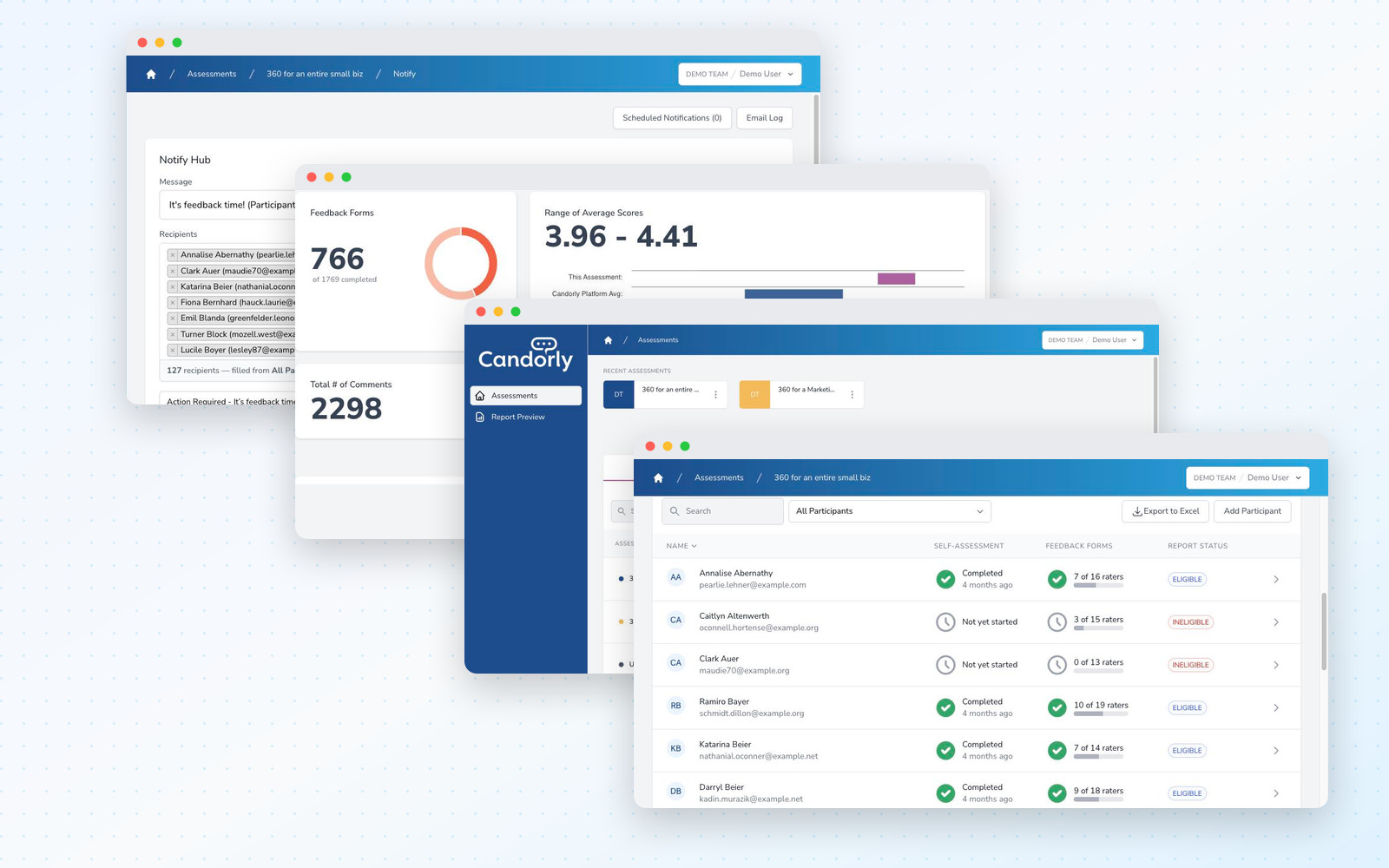
Multi-tenant 360 feedback and assessment platform
Candorly collects confidential feedback from an employee's managers, peers, and direct reports, then assembles it into a report a coach can actually work from. We've built and run the platform since 2021 — including the billing, the PDF engine, and the AI summarization layer.
Read the case study →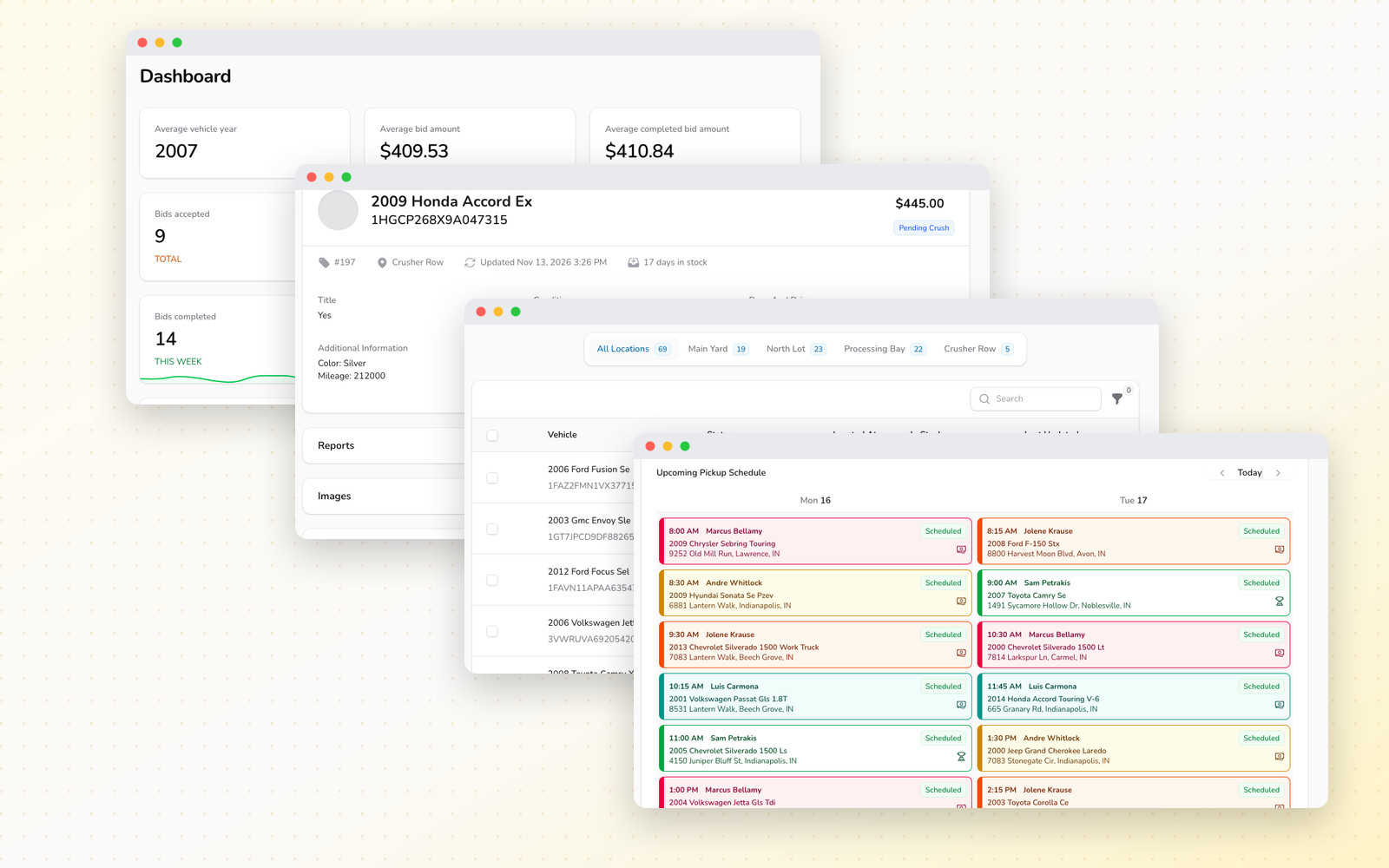
Quote-to-crush vehicle operations platform
Buying scrap cars is a pricing problem, a logistics problem, and an inventory problem at once. We built a single system that quotes a vehicle in seconds from its VIN, routes a driver to tow it, and then tracks it through fifteen states until it's sold or crushed — now running two brands off one codebase.
Read the case study →The people who scope your project are the people who build it. You talk to them directly in Slack.
We model your business properly with rules, states and permissions, so the software grows with you instead of fighting you.
Our platforms stay on supported versions of Laravel and PHP. Several have been in production with us for five to seven years.
Code in your repository from the first commit, documented and handed over. No lock-in.
Not in one jump. Each major version has its own breaking changes, so we move through them in sequence. It's much faster than it sounds, because most steps are mechanical and well-tooled. The time goes into the parts that are specific to your app.
No. We work on a branch and rebase regularly, so your team can keep shipping. For long upgrades we merge in stages.
That's common. We add focused tests around the workflows that matter most, like sign-up, payments, and your core business logic, before we change them. You keep those tests afterwards.
We upgrade build tooling (Laravel Mix to Vite, for example) and can move older Vue 2 or jQuery front ends forward as a separate, scoped step.
Almost never. A working app holds years of business rules that a rewrite has to rediscover. Upgrading keeps all of that and costs a fraction as much.
A senior engineer reads every message and replies within one business day, usually with a few questions and a time to talk.
Move WordPress, Laravel, or custom PHP apps off end-of-life PHP without breaking them.
Your vibe-coded prototype works. We make it secure, reliable, and ready for real customers.
Senior Laravel engineers for new builds, takeovers, and long-term platform work.
