AI tools are brilliant at getting a product to a working demo. They're not good at security, data integrity, or what happens when a hundred people use it at once. Senior engineers review your app, fix what will hurt you, and give you a codebase you can keep building on.
Missing row-level security or authorization checks, so one user can see or change another user's records by editing a URL or API call.
API keys for your database, payments, or AI provider shipped in front-end code where anyone can copy them.
Login screens that hide pages but don't protect the API behind them. Password resets and sessions that can be abused.
Stripe events handled once if you're lucky, so subscriptions, refunds, and access fall out of sync.
No queues, no caching, a database that locks up under concurrent writes, and no error handling when a third-party API is slow.
Thousands of lines of generated code, no tests, and duplicate logic everywhere, so the AI's next fix creates two new bugs.
We go through the code, database rules, and infrastructure and give you a prioritized list: what's dangerous now, what will hurt at scale, what can wait.
Lock down data access and secrets, fix authentication and payments, and add monitoring and backups. Your app keeps running.
Add tests around core flows, move fragile pieces to proper queues and services, and clean up the code so it can be maintained.
Hand back to you with documentation, or keep us on to build the next features properly.
AI app builders have made it possible for anyone to build a working product in a weekend, and that’s genuinely great. But the code they generate optimizes for “it works when I click through it”, not for what happens when real customers, real money, and real attackers show up.
The same problems come up again and again in AI-generated apps. Missing database access rules, so any logged-in user can read every record. API keys exposed in the browser. Authentication that hides pages without protecting the data behind them. Payment webhooks that silently miss events. None of these show up in a demo, and all of them show up eventually.
We’ve spent years building and running production platforms: multi-tenant SaaS with billing and confidential data, like Candorly, and integrations that must never double-count an order, like the Vibes order API. That’s the experience you need when the question stops being “does it work?” and becomes “is it safe, and will it keep working?”
We don’t judge how the app was built. Getting a product in front of customers quickly is the hard part, and you’ve done it. Our job is to make sure it can carry the business you’re building on top of it.
If you’ve found unauthorized access, unexpected charges, or leaked data, tell us in the form. We treat that as an emergency and respond the same business day. See also our incident cleanup service.
Every project is scoped and quoted before work starts. These ranges reflect what similar work has cost.
from$2,500
A senior engineer's written assessment of your app, with a prioritized fix list and a fixed quote.
$7.5k–$15k
We fix the critical and high-priority findings so you can launch or grow with confidence.
$25k–$60k
When the prototype proved the idea but the code can't carry the business, we rebuild it properly and migrate your users and data.
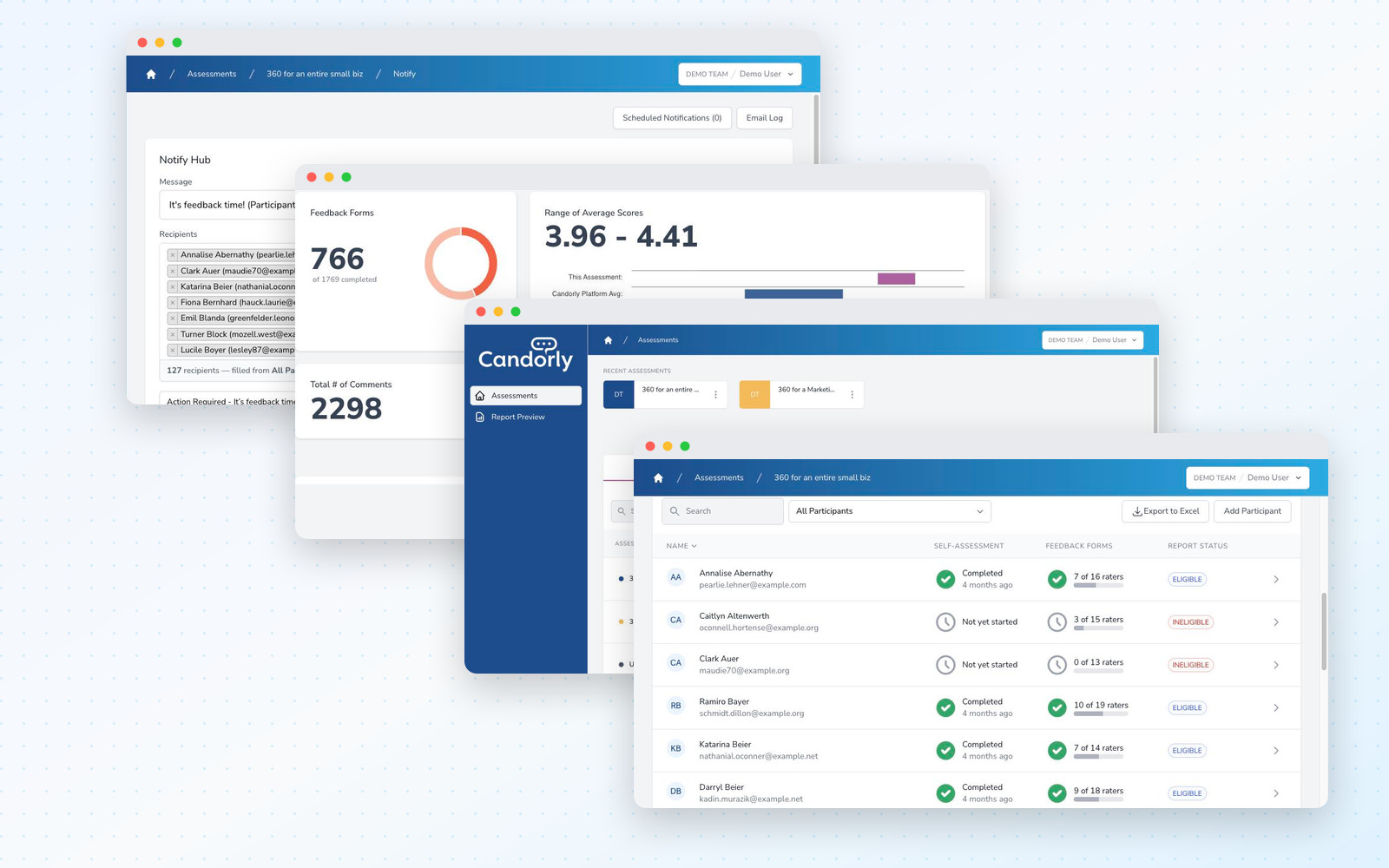
Multi-tenant 360 feedback and assessment platform
Candorly collects confidential feedback from an employee's managers, peers, and direct reports, then assembles it into a report a coach can actually work from. We've built and run the platform since 2021 — including the billing, the PDF engine, and the AI summarization layer.
Read the case study →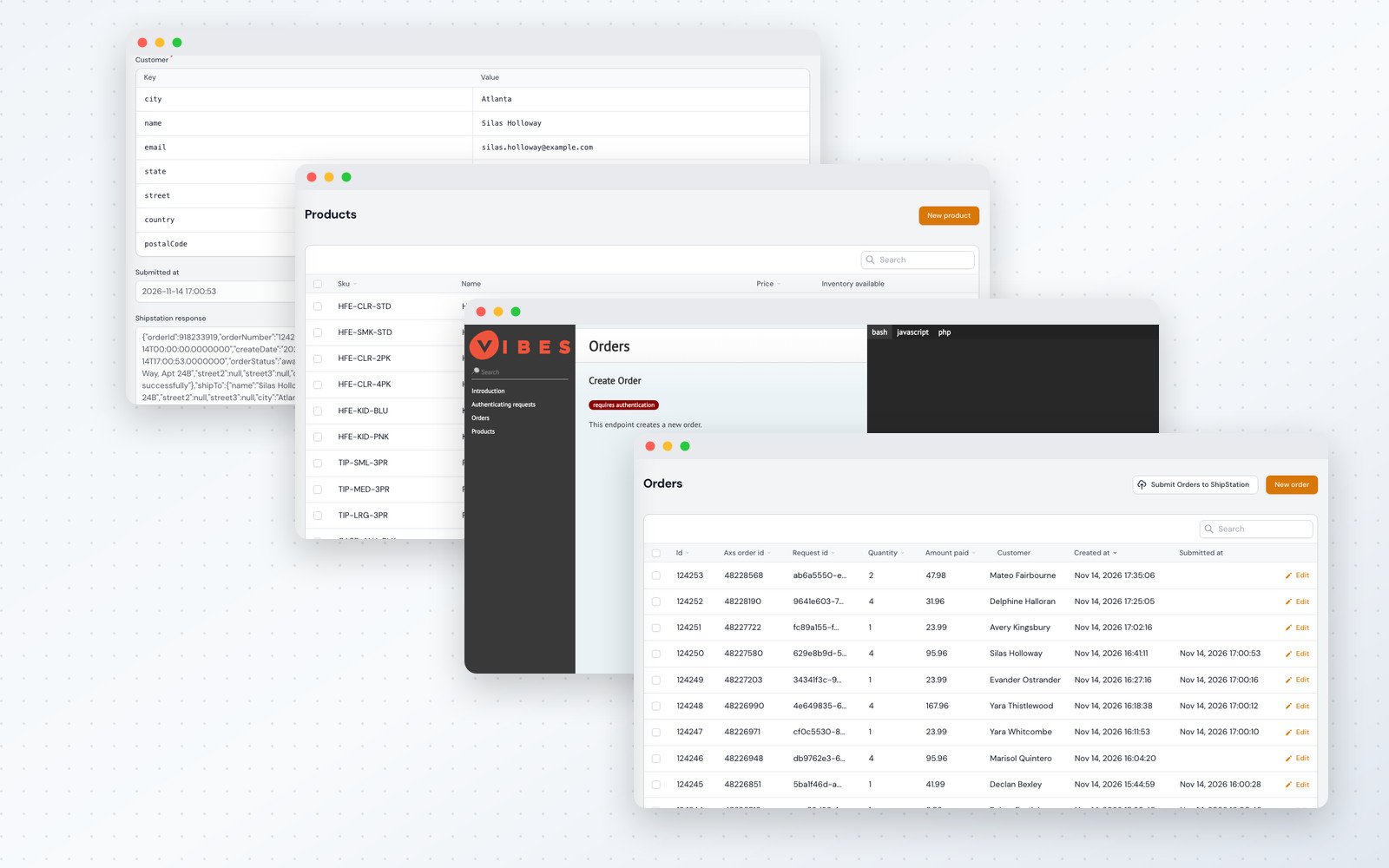
Order intake and fulfilment integration API
Vibes sells through a ticketing partner's checkout, which meant orders arriving from a system they don't control into a warehouse that speaks a different language. We built the API in between — idempotent intake, live inventory, and automated handoff to ShipStation.
Read the case study →The people who scope your project are the people who build it. You talk to them directly in Slack.
We model your business properly with rules, states and permissions, so the software grows with you instead of fighting you.
Our platforms stay on supported versions of Laravel and PHP. Several have been in production with us for five to seven years.
Code in your repository from the first commit, documented and handed over. No lock-in.
Usually not. If the app already has users or proven demand, fixing it is faster and cheaper than rebuilding. We only recommend a rebuild when the foundations genuinely can't carry the product, and we'll explain why.
Apps generated by Lovable, Bolt, Replit, v0, Cursor, and Claude Code, typically React or Next.js front ends on Supabase, Firebase, or Node back ends. For rebuilds we usually recommend Laravel, which is our specialty.
Yes. That's the cheapest time to find problems. A review before you take payments or store customer data costs a fraction of cleaning up a breach or a corrupted database afterwards.
Absolutely. We'll leave tests and structure in place that make AI-assisted changes safer, so the tools help instead of quietly breaking things.
Yes, happily, before you share any code.
A senior engineer reads every message and replies within one business day, usually with a few questions and a time to talk.
Move a legacy Laravel app across several major versions to Laravel 13, without a rewrite.
Multi-tenant SaaS platforms, from MVP to a product that's run in production for years.
Hacked, redirecting, or full of spam? We clean it, find the entry point, and lock it down.
